 delishing
How to Master Cooking Cauliflower: 8 Essential Methods

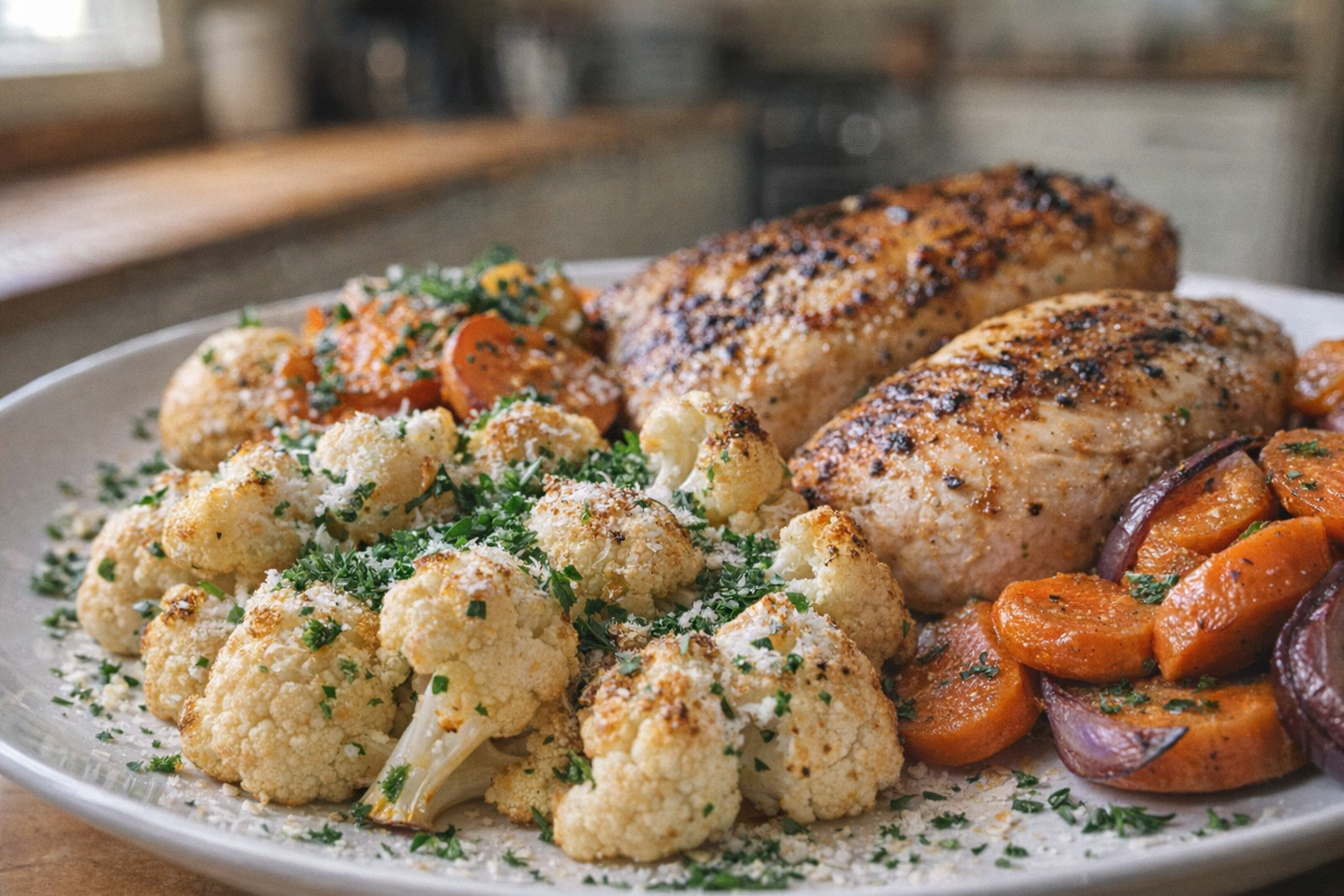
Cauliflower, with its mild, slightly nutty flavor, is a versatile vegetable that can be transformed into a variety of dishes. From crispy roasted florets to creamy soups and even grain-free rice substitutes, mastering different cooking methods unlocks its full potential. Each method highlights a unique aspect of cauliflower’s texture and taste, allowing you to tailor it to your specific culinary needs.
This guide provides you with eight distinct ways to cook cauliflower, each meticulously detailed to ensure success in your kitchen. We'll explore the nuances of each technique, offering expert tips to avoid common pitfalls and elevate your cauliflower creations from simple side dishes to standout centerpieces.
Understanding Cauliflower Varieties
When selecting cauliflower, look for heads that are firm, heavy for their size, and have tightly packed florets. The color should be creamy white, without any brown spots or blemishes. While the standard white cauliflower is most common, you may also encounter other varieties like:
- Romanesco: With its striking fractal pattern, Romanesco cauliflower has a slightly nuttier and milder flavor than white cauliflower.
- Purple Cauliflower: The vibrant color comes from anthocyanins, the same antioxidants found in red cabbage and blueberries. The flavor is similar to white cauliflower.
- Green Cauliflower (Broccoflower): A cross between broccoli and cauliflower, broccoflower offers a slightly sweeter and milder taste.
Why Cook Cauliflower This Way?
- Versatility: Cauliflower can be adapted to various cuisines and dishes, from Indian curries to Italian gratins.
- Flavor: Depending on the cooking method, cauliflower can be subtly sweet, nutty, or even take on smoky notes.
- Convenience: Many of these methods are quick and easy, making cauliflower a great option for weeknight meals.
Preparation (Mise en Place)
- Remove Leaves: Begin by removing the green leaves surrounding the cauliflower head. Discard or save for making vegetable stock.
- Wash Thoroughly: Rinse the cauliflower under cold running water to remove any dirt or debris.
- Dry: Pat the cauliflower dry with a clean kitchen towel or paper towels. Excess moisture can hinder browning during roasting or sautéing.
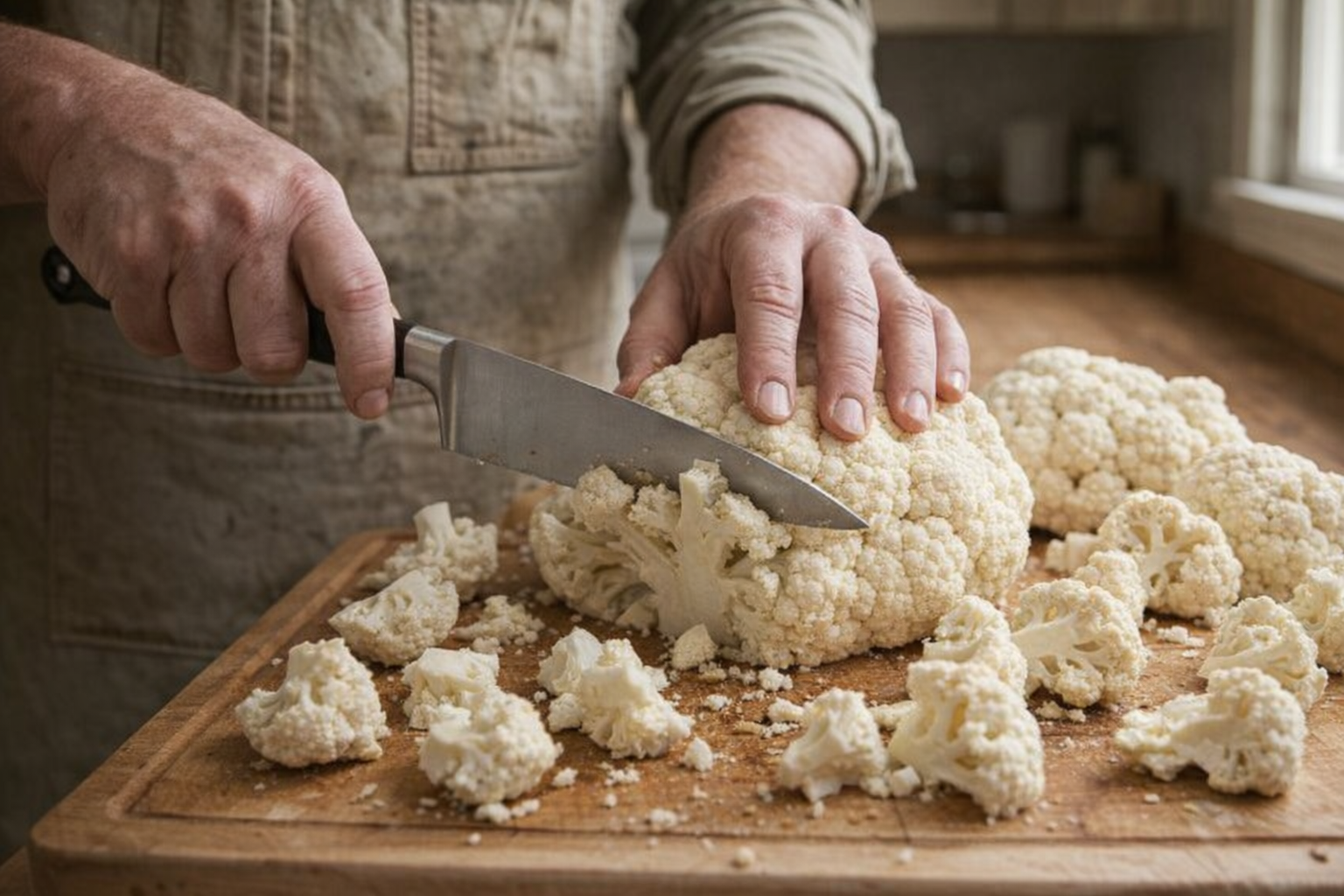
- Cut into Florets: Place the cauliflower stem-side up on a cutting board. Using a sharp knife, cut around the core to separate the florets. Aim for roughly equal-sized florets for even cooking. Smaller florets are ideal for sautéing and stir-frying, while larger florets are better for roasting and grilling.
Essential Tools
- Chef's Knife: For precise and safe cutting. A sharp 8-10 inch chef's knife is your best friend.
- Cutting Board: A large, stable cutting board is essential for safety and efficiency. Opt for a non-slip surface.
- Mixing Bowl: For tossing the cauliflower with seasonings.
- Various Cooking Vessels: Depending on the method, you'll need a roasting pan, steamer basket, skillet, pot, grill, air fryer, or food processor.
The Cooking Methods
Method 1: Roasting
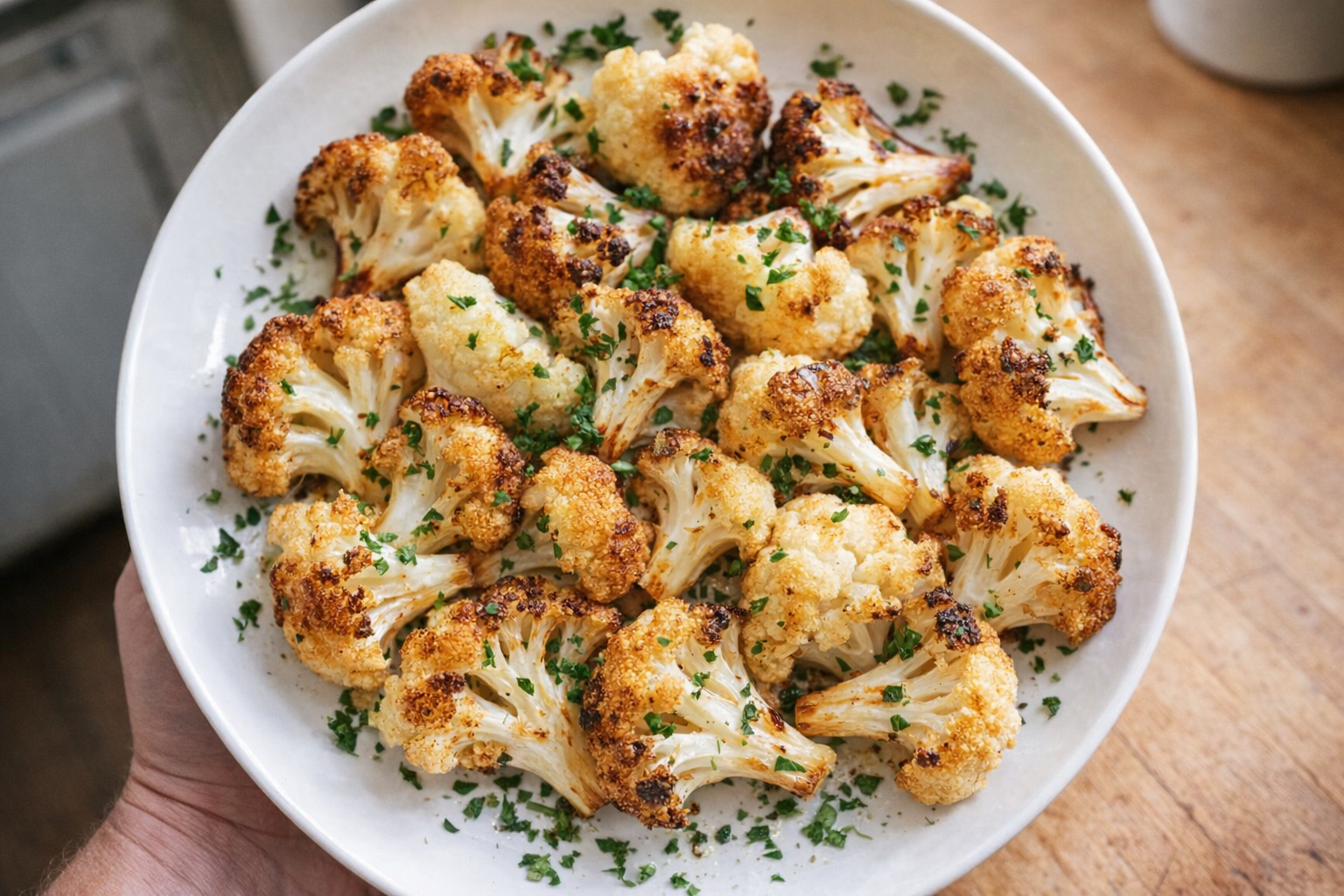
Roasting cauliflower brings out its natural sweetness and creates a delightful caramelized exterior. The high heat intensifies the flavors, resulting in a savory and satisfying dish.
Ingredients:
- 1 medium head of cauliflower, cut into florets (about 6 cups)
- 2-3 tablespoons olive oil
- Salt and freshly ground black pepper, to taste
- Optional: 1 teaspoon garlic powder, ½ teaspoon paprika, pinch of red pepper flakes
Instructions:
- Preheat Oven: Preheat your oven to 425°F (220°C). Ensuring the oven is fully heated is crucial for proper caramelization.
- Season Cauliflower: In a large mixing bowl, toss the cauliflower florets with olive oil, salt, pepper, and any desired seasonings. Make sure each floret is coated evenly.
- Arrange on Baking Sheet: Spread the seasoned cauliflower florets in a single layer on a large baking sheet lined with parchment paper. This prevents overcrowding and ensures even browning.
- Roast: Roast for 20-25 minutes, flipping the florets halfway through, until they are tender and golden brown. Listen for the gentle sizzle of the cauliflower as it roasts, indicating moisture is escaping.
- Check for Doneness: The cauliflower is done when it is easily pierced with a fork and has a slightly nutty aroma.
- Serve: Remove from the oven and serve immediately.
Method 2: Steaming
Steaming is a gentle and healthy way to cook cauliflower, preserving its nutrients and delicate flavor. This method is ideal for those seeking a light and versatile preparation.
Ingredients:
- 1 medium head of cauliflower, cut into florets (about 6 cups)
- ½ cup water
- Salt and pepper to taste
- Optional: lemon wedges, fresh herbs (parsley, dill)
Instructions:
- Prepare Steamer: Fill a pot with about 1 inch of water. Place a steamer basket inside, ensuring the water level is below the bottom of the basket.
- Bring to a Boil: Bring the water to a boil over medium-high heat.
- Add Cauliflower: Place the cauliflower florets in the steamer basket.
- Steam: Cover the pot with a tight-fitting lid and steam for 5-7 minutes, or until the cauliflower is tender-crisp. The steam should be gently escaping, creating a moist cooking environment.
- Check for Doneness: The cauliflower is done when it is easily pierced with a fork but still retains some firmness.
- Season and Serve: Remove the cauliflower from the steamer and season with salt, pepper, and optional lemon wedges or fresh herbs.
Method 3: Sautéing
Sautéing cauliflower provides a quick and easy way to achieve a tender-crisp texture with a slightly browned exterior. The high heat and constant movement create a flavorful and dynamic dish.
Ingredients:
- 1 medium head of cauliflower, cut into small florets (about 6 cups)
- 2 tablespoons olive oil or vegetable oil
- Salt and pepper to taste
- Optional: 2 cloves garlic, minced; ½ teaspoon red pepper flakes
Instructions:
- Heat Skillet: Heat the olive oil in a large skillet over medium-high heat. The oil should shimmer and ripple, indicating it is hot enough.
- Add Cauliflower: Add the cauliflower florets to the skillet in a single layer. Avoid overcrowding the pan, as this will steam the cauliflower instead of sautéing it.
- Sauté: Cook, stirring occasionally, for 5-7 minutes, or until the cauliflower is tender-crisp and lightly browned. Listen for the sizzle of the cauliflower as it makes contact with the hot pan.
- Add Aromatics (Optional): If using garlic or red pepper flakes, add them during the last 1-2 minutes of cooking to prevent burning.
- Season and Serve: Season with salt and pepper to taste. Remove from the heat and serve immediately.
Method 4: Boiling
Boiling cauliflower is a simple and straightforward method that results in tender florets. While it can be a basic technique, it's crucial to avoid overcooking, which can lead to a mushy texture.
Ingredients:
- 1 medium head of cauliflower, cut into florets (about 6 cups)
- Water, enough to cover cauliflower
- 1 teaspoon salt
Instructions:
- Boil Water: Bring a large pot of water to a rolling boil. Add salt to the water.
- Add Cauliflower: Carefully add the cauliflower florets to the boiling water.
- Boil: Boil for 5-7 minutes, or until the cauliflower is tender.
- Check for Doneness: The cauliflower is done when it is easily pierced with a fork but still retains some firmness.
- Drain: Drain the cauliflower in a colander.
- Season and Serve: Season with salt, pepper, butter, or any desired toppings.
Method 5: Grilling
Grilling cauliflower imparts a smoky flavor and creates a beautiful charred exterior. This method is perfect for summer barbecues and adds a unique twist to this versatile vegetable.
Ingredients:
- 1 medium head of cauliflower, cut into thick "steaks" or large florets (about 4 steaks or 6 cups florets)
- 2 tablespoons olive oil
- Salt and pepper to taste
- Optional: garlic powder, paprika, herbs
Instructions:
- Preheat Grill: Preheat your grill to medium-high heat (around 400°F or 200°C).
- Prepare Cauliflower: Brush the cauliflower steaks or florets with olive oil and season with salt, pepper, and any desired spices.
- Grill: Place the cauliflower on the grill grates. Grill for 5-7 minutes per side, or until tender and slightly charred. The edges should be nicely browned.
- Check for Doneness: The cauliflower is done when it is easily pierced with a fork.
- Serve: Remove from the grill and serve immediately.
Method 6: Stir-Frying
Stir-frying cauliflower results in crisp-tender florets that are perfect for Asian-inspired dishes. This method requires high heat and constant movement to achieve the desired texture.
Ingredients:
- 1 medium head of cauliflower, cut into small florets (about 6 cups)
- 2 tablespoons vegetable oil or olive oil
- Salt to taste
- Optional: 2 cloves garlic, minced; 1 inch ginger, grated; 2 tablespoons soy sauce; 1 tablespoon sesame oil
Instructions:
- Heat Wok/Pan: Heat a wok or large skillet over high heat.
- Add Oil: Add the vegetable oil to the hot wok.
- Add Cauliflower: Add the cauliflower florets to the wok and stir-fry for 4-5 minutes, or until tender-crisp. Keep the cauliflower moving constantly to prevent burning.
- Add Aromatics (Optional): Add garlic and ginger during the last minute of cooking, then stir in soy sauce and sesame oil.
- Season and Serve: Season with salt to taste. Remove from the wok and serve immediately.
Method 7: Air Frying
Air frying cauliflower creates a crispy and golden-brown exterior with a tender interior, using minimal oil. This method is a healthier alternative to deep-frying.
Ingredients:
- 1 medium head of cauliflower, cut into florets (about 6 cups)
- 1-2 tablespoons olive oil
- Salt and pepper to taste
- Optional: garlic powder, paprika, curry powder
Instructions:
- Preheat Air Fryer: Preheat your air fryer to 375°F (190°C).
- Prepare Cauliflower: Toss the cauliflower florets with olive oil, salt, pepper, and any desired spices.
- Air Fry: Place the cauliflower in the air fryer basket in a single layer.
- Cook: Air fry for 12-15 minutes, or until the cauliflower is tender and golden brown, shaking the basket halfway through.
- Check for Doneness: The cauliflower is done when it is crisp-tender and easily pierced with a fork.
- Serve: Serve immediately.
Method 8: Ricing Cauliflower
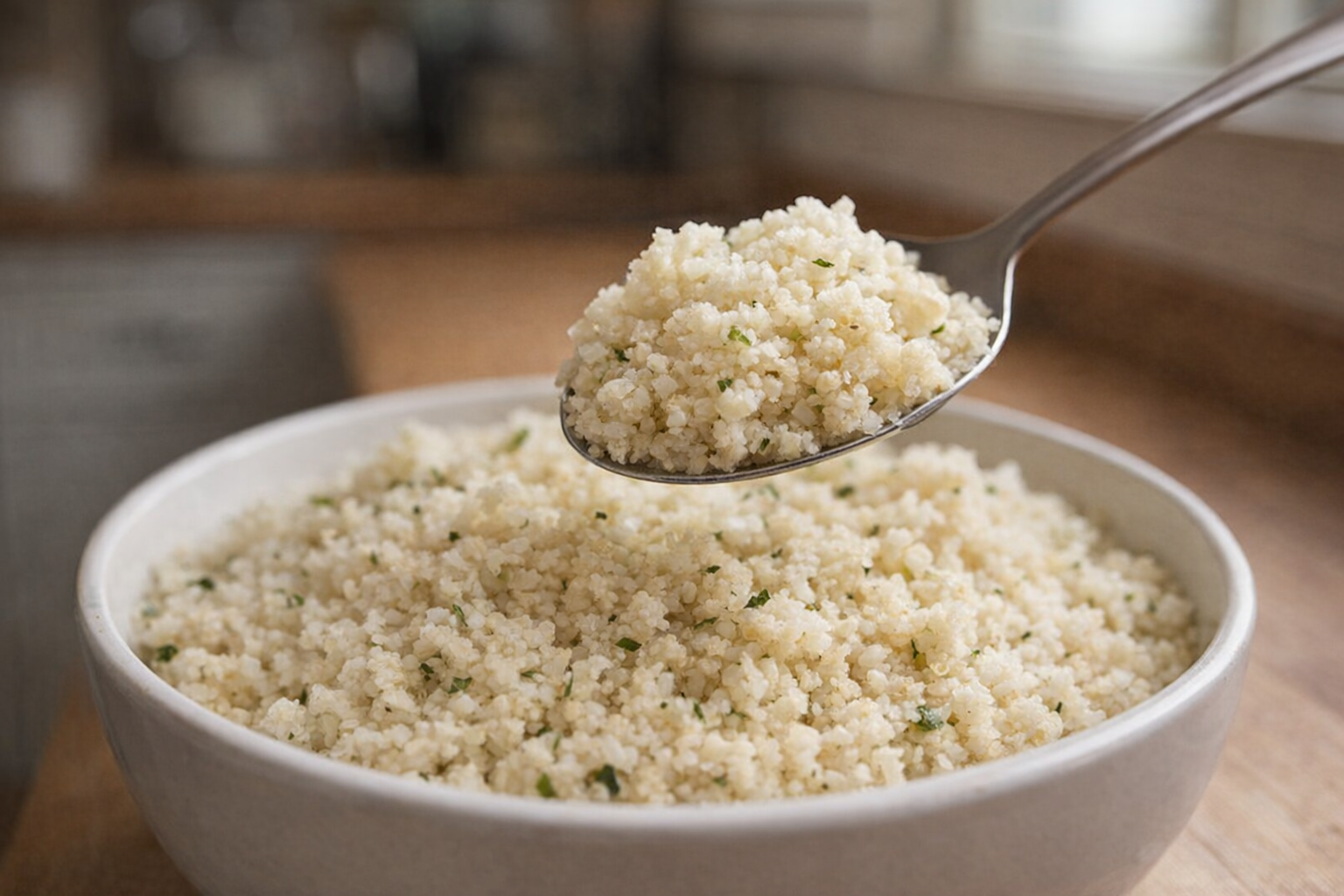
Ricing cauliflower creates a versatile grain-free substitute that can be used in various dishes, from stir-fries to salads. This method involves breaking down the cauliflower into small, rice-like pieces.
Ingredients:
- 1 medium head of cauliflower
Instructions:
- Cut into Florets: Cut the cauliflower into florets.
- Process: Place the florets in a food processor and pulse until they are broken down into small, rice-like pieces. Be careful not to over-process, as this can result in a mushy texture. Alternatively, you can use a grater to create riced cauliflower.
- Drain Excess Moisture: Place the riced cauliflower in a clean kitchen towel and squeeze out any excess moisture.
- Cook (Optional): The riced cauliflower can be eaten raw or cooked. To cook, you can microwave it for 2-3 minutes, sauté it in a pan with oil for 5-7 minutes, or steam it for 5-7 minutes.
- Season and Serve: Season with salt, pepper, herbs, or any desired seasonings.
Cooking Time & Doneness Guide
| Method | Cooking Time | Doneness |
|---|---|---|
| Roasting | 20-25 mins | Tender, golden brown, easily pierced with a fork |
| Steaming | 5-7 mins | Tender-crisp, easily pierced with a fork but still retains some firmness |
| Sautéing | 5-7 mins | Tender-crisp, lightly browned |
| Boiling | 5-7 mins | Tender, easily pierced with a fork |
| Grilling | 5-7 mins/side | Tender, slightly charred |
| Stir-Frying | 4-5 mins | Tender-crisp |
| Air Frying | 12-15 mins | Crisp-tender, golden brown, easily pierced with a fork |
| Ricing | 2-7 mins | Tender, depending on cooking method |
Visual Cues
- Roasting: Look for a deep golden-brown color and slightly crisp edges.
- Steaming: The cauliflower should appear slightly translucent and be easily pierced with a fork.
- Sautéing: The florets should be lightly browned and have a slightly softened texture.
- Boiling: The cauliflower should be easily pierced with a fork but not mushy.
- Grilling: Look for grill marks and a slightly charred appearance.
- Stir-Frying: The florets should be slightly softened but still retain some crunch.
- Air Frying: The cauliflower should be golden brown and crispy.
- Ricing: Cooked cauliflower rice should be slightly softened and translucent.
Tips for Perfection
- Don't Overcrowd: Avoid overcrowding the pan or air fryer basket, as this will steam the cauliflower instead of browning it.
- Use High Heat: For roasting, sautéing, and stir-frying, use high heat to achieve the best results.
- Season Generously: Cauliflower can be bland on its own, so don't be afraid to season it generously with salt, pepper, and other spices.
- Check for Doneness: Use a fork to check for doneness. The cauliflower should be easily pierced but not mushy.
Storage & Reheating
- Storage: Cooked cauliflower can be stored in an airtight container in the refrigerator for up to 3-4 days.
- Reheating: To reheat, you can microwave it, sauté it in a pan, or roast it in the oven. For best results, reheat in the oven at 350°F (175°C) for 10-15 minutes.
Serving Suggestions
- As a Side Dish: Serve roasted, steamed, sautéed, or boiled cauliflower as a simple side dish with your favorite protein.
- In a Stir-Fry: Add cauliflower florets to your favorite stir-fry recipe for a healthy and delicious meal.
- As a Pizza Crust: Use riced cauliflower to make a low-carb pizza crust.
- In a Soup: Blend cooked cauliflower into a creamy and comforting soup.
💡 Pro Tips
- Pat the cauliflower florets completely dry before roasting to ensure they become crispy and golden instead of steaming in the oven.
- Cut the cauliflower into uniform, bite-sized pieces so that every floret cooks at the same rate regardless of the method used.
- When making cauliflower rice, pulse the florets in short bursts in your food processor to achieve a grainy texture and avoid creating a mushy puree.
- Add a splash of lemon juice or vinegar after cooking to brighten the mild, nutty flavor and balance the vegetable's natural earthiness.
- Arrange the florets in a single layer with plenty of space between them on the baking sheet to allow hot air to circulate for even browning.
Frequently Asked Questions
Soggy cauliflower is often caused by overcrowding the pan, which steams the florets instead of roasting them. Make sure the florets are in a single layer with enough space around each, and ensure they are completely dry before roasting.
Yes, you can use frozen cauliflower, but the cooking time may need to be adjusted. Frozen cauliflower tends to retain more moisture, so make sure to pat it dry before cooking, especially for methods like roasting or sautéing, to ensure proper browning.
Cooked cauliflower is best enjoyed soon after cooking, but it can be stored in an airtight container in the refrigerator for up to 3-4 days. Be sure to let it cool completely before refrigerating to prevent condensation buildup and maintain its texture.
If you don't have fresh herbs, you can use dried herbs, spices, or even a squeeze of lemon juice to add flavor. A sprinkle of red pepper flakes can also add a nice touch of heat, or a drizzle of balsamic glaze can provide sweetness and acidity.
/thumbs/plated-oxtails-polenta-z4b91.png)